
- by Editor
- 2 months ago
UAE Denies Netanyahu Visit Amid Rising Iran - Israel Tensions
-
- by Editor,
- 5 months ago
- in World News
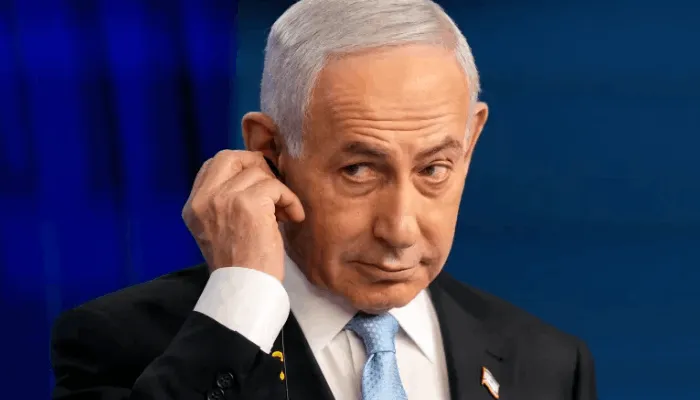
The office of Israeli Prime Minister Benjamin Netanyahu claimed that a meeting between Netanyahu and UAE President Mohamed bin Zayed Al Nahyan had resulted in a “historic breakthrough” in relations between the two countries.
However, the Ministry of Foreign Affairs of the United Arab Emirates later rejected the claims, describing reports of the visit as “entirely unfounded” and stressing that relations between the UAE and Israel are conducted transparently within officially recognised frameworks.
In a statement, the ministry said the UAE’s ties with Israel are based on the Abraham Accords and not on “non-transparent or unofficial arrangements.”
The controversy comes amid heightened regional tensions following the recent conflict involving Iran, Israel, and the United States. Iran reportedly targeted several locations in the UAE during the conflict and has repeatedly criticised the Emirates over its growing ties with Washington and Tel Aviv.
Iranian Foreign Minister Abbas Araghchi said Netanyahu had publicly confirmed concerns previously raised by Iran’s security services, warning that any alleged cooperation with Israel against Iran would be “unforgivable.”
Reuters, citing an unnamed source, reported that the alleged meeting between Netanyahu and the Emirati president took place in Al Ain near the Oman border and lasted several hours.
Meanwhile, US Ambassador to Israel Mike Huckabee stated that Israel had deployed anti-missile batteries from its Iron Dome system to assist the UAE in countering Iranian missile and drone attacks.
Huckabee described the deployment as a reflection of the “extraordinary relationship” between Israel and the UAE under the Abraham Accords.
According to UAE defence authorities, the country intercepted hundreds of aerial threats during the conflict, including ballistic missiles, cruise missiles, and drones allegedly launched from Iran.
Reports have also suggested that the UAE may have participated in strikes against Iranian targets, including an alleged attack on a refinery on Iran’s Lavan Island, though Abu Dhabi has not officially confirmed those claims.
Senior Emirati adviser Anwar Gargash reiterated that the UAE remains committed to diplomacy while maintaining its right to self-defence, stating that Gulf relations with Iran “cannot be built on confrontations and conflicts.”
Although a ceasefire between the US and Iran has reportedly been in place for about a month, tensions remain high. Iran continues to restrict movement through the Strait of Hormuz, a critical global energy shipping route through which roughly 20% of the world’s oil and liquefied natural gas supplies normally pass.
US President Donald Trump recently rejected Iran’s proposed terms for ending the conflict and reopening the strait, calling the proposal “totally unacceptable.”
In response, Iranian parliamentary speaker Mohammad Bagher Ghalibaf warned that Iran’s armed forces were prepared to respond to any further aggression.
BBC
you may also like


- by Editor
- 5 months ago
Sri Lankan President Congratulates C. Joseph Vijay on Becoming Tamil Nadu Chief Minister

- by Editor
- 2 months ago
5.9-Magnitude Earthquake Jolts Indonesia’s Flores Region

- by Editor
- 5 months ago
Prima raises Wheat Flour prices

- by Editor
- 1 month ago
‘Navodayapuram’ Housing Scheme for Kabaragala Landslide Victims Officially Handed Over

- by Editor
- 3 weeks ago