
- by Editor
- 4 weeks ago
Sri Lanka Among 60 Economies Facing Proposed New U.S. Tariffs Over Forced Labour Concerns
-
- by Editor,
- 4 months ago
- in World News
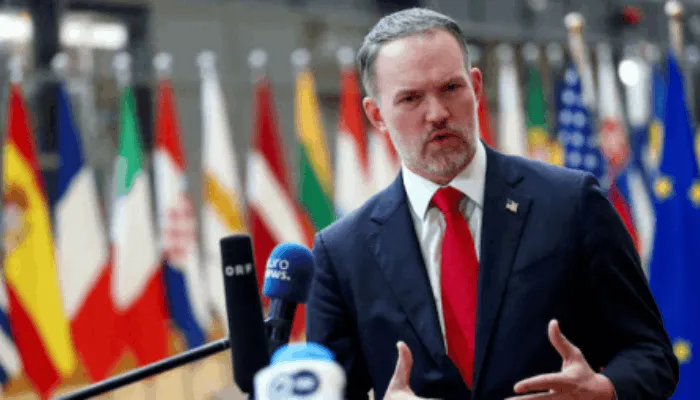
Sri Lanka is among 60 economies targeted by the Office of the United States Trade Representative (USTR), which has proposed new tariffs following an investigation into whether trading partners have imposed and effectively enforced bans on the importation of goods produced with forced labour.
Under the proposal, Sri Lanka would be subject to an additional 12.5% tariff on exports to the United States, after the USTR determined that the country has neither imposed nor effectively enforced a prohibition on imports linked to forced labour. Economies that have adopted partial regimes or made commitments through reciprocal trade agreements would face a lower 10% duty.
The proposed measures also include a special mechanism for apparel and textile imports, which would allow limited volumes of textile and garment products to enter the U.S. market at reduced tariff rates. Details of the mechanism have yet to be fully disclosed.
The list of affected economies includes major U.S. trading partners such as China, India, Japan, South Korea, United Kingdom, European Union, Canada, Mexico, Australia, Brazil, South Africa and Sri Lanka.
According to the USTR findings, 54 economies were found to have failed to impose prohibitions on forced-labour imports, while six economies—including Canada, Mexico, Pakistan, Indonesia, Ecuador and the European Union—were cited for failing to effectively enforce existing measures.
U.S. Trade Representative Jamieson Greer said the failure of trading partners to address imports made with forced labour creates an uneven global marketplace for American workers.
“The failure of our most important trading partners to address the importation of goods made with forced labor is unacceptable. This creates a dynamic where American workers are forced to compete globally on an unlevel playing field,” Greer said.
The proposed tariffs are not yet in effect. The USTR has invited public comments until July 6, 2026, while public hearings on the proposal are scheduled for July 7, 2026. Requests to appear at the hearings must be submitted by June 22. A final decision is expected after the consultation process is completed.
you may also like


- by Editor
- 2 months ago
Met Department Issues Heat Advisory for Eastern, North Central and Several Districts

- by Editor
- 3 months ago
Shaheen Shah Afridi Set to Make LPL Debut with Kandy Royals

- by Editor
- 6 months ago
Namal calls for Energy Minister’s resignation over bribery indictments

- by Editor
- 5 months ago
NBRO Extends Landslide Warnings Across Multiple Districts Amid Ongoing Heavy Rainfall

- by Editor
- 8 months ago